Wondering what is MRO in industrial supply? It stands for maintenance, repair and operations: the tools, supplies and upkeep work that keep a plant running, but that never end up in the product you sell.
This page is part of our wider guide to industrial services.
| Item | Value |
|---|---|
| Usual meaning of MRO | Maintenance, repair and operations |
| Alternative meaning in some industries | Maintenance, repair and overhaul |
| Typical MRO categories | 4 categories |
| Maintenance strategies covered | Predictive, preventive and corrective (3 strategies) |
| Source page last updated | 25 September 2026 |
The figures and definitions come from IBM’s MRO overview. Definitions and category lists can change, so check the source before you rely on them.
What MRO means in practice
IBM describes MRO as the day-to-day and long-term upkeep of the tools, supplies, production equipment and facilities required to manufacture goods. In plain terms, it is everything a site needs so that production does not stop.
Think of a bottling plant. The bottles and liquid are production inventory. The conveyor bearings, lubricant, safety gloves, light bulbs and cleaning products are MRO.
The same page notes that in some industries the letters can instead stand for maintenance, repair and overhaul. Check which meaning a supplier or job advert is using before you assume anything.
The four categories of MRO
IBM says MRO typically falls into four categories. They help buyers and maintenance teams sort a very mixed catalogue of items.
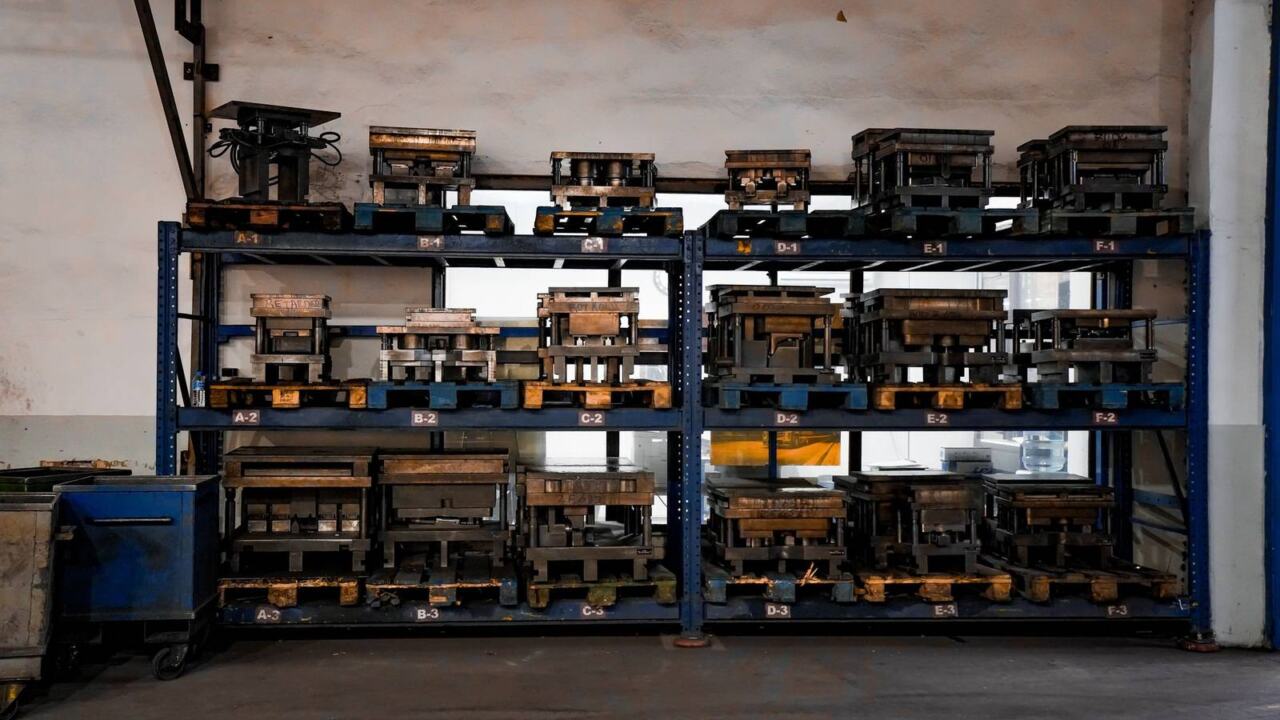
- Tooling and consumables: items that support production, such as power tools, hand tools, drills and injection molds.
- Infrastructure repair and maintenance: keeping the facility and grounds in good operating condition.
- Material handling equipment maintenance: upkeep of the equipment that moves goods around the site.
- Production equipment repair and maintenance: care for the machines that make the product.
Real catalogues blur these lines. A single fastener might serve a building repair on Monday and a machine repair on Tuesday.
Maintenance strategies inside MRO
MRO is not only about buying parts. IBM lists MRO inventory management alongside predictive, preventive and corrective maintenance strategies as part of the discipline.
- Corrective maintenance fixes equipment after it fails. It is simple, but the demand for parts is hard to predict.
- Preventive maintenance follows a schedule, such as regular inspections or part swaps. Parts demand becomes easier to forecast.
- Predictive maintenance uses condition data, such as vibration or temperature readings, to decide when work is needed.
Most sites use a mix. The balance affects what you keep on the shelf, because a planned job lets you order parts ahead, while a breakdown needs them immediately.
MRO inventory and purchasing
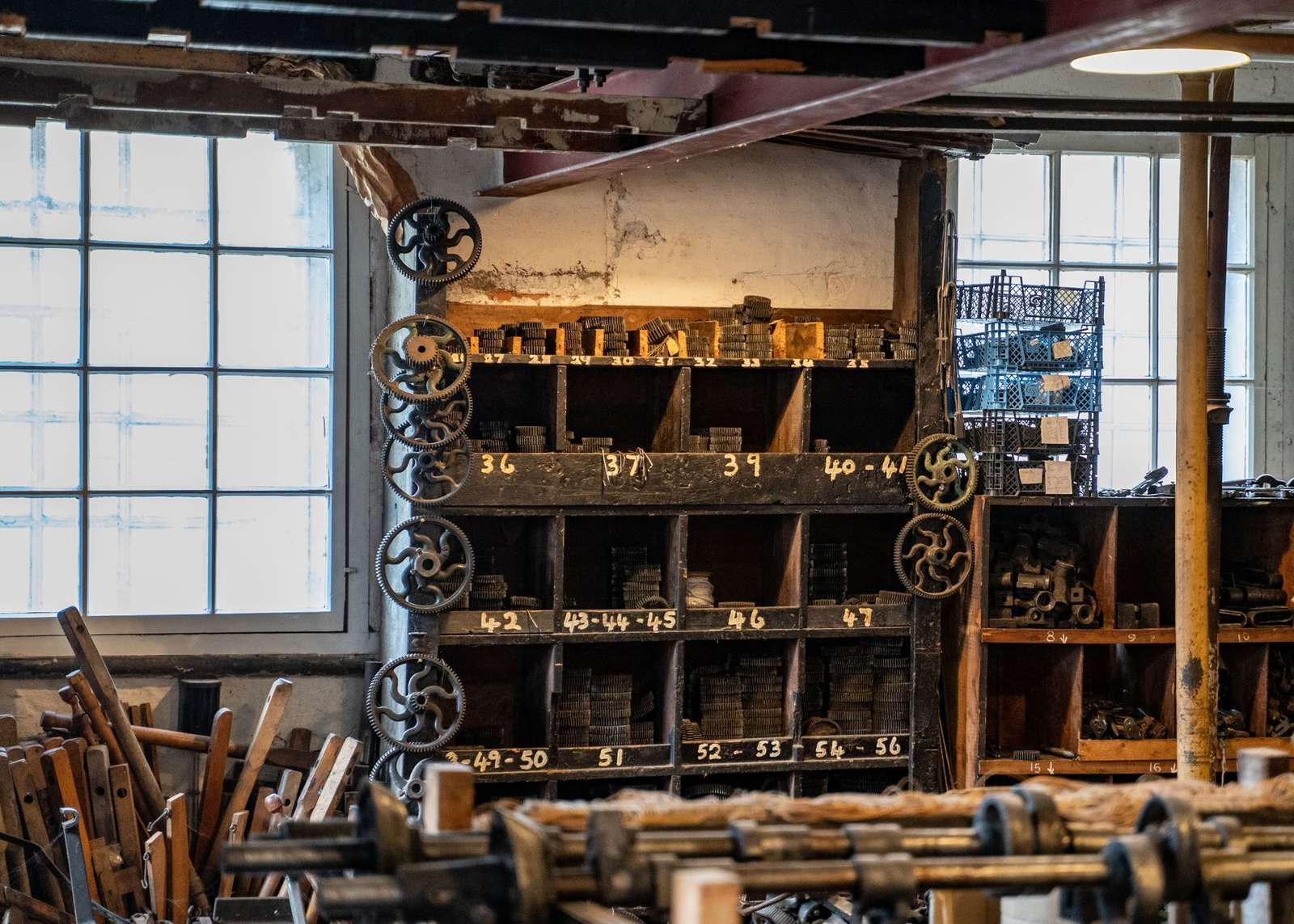
MRO stock behaves differently from production stock. It is not shipped to customers, yet a missing part can stop a line. That tension is why MRO inventory management is a skill of its own.
Buyers usually weigh a few questions for each item:
- How badly does production suffer if this part is unavailable?
- How long does it take to get a replacement from the supplier?
- How much money is tied up by holding it?
- Is there a standard substitute that fits?
Ranking parts by how much their failure would hurt is often called spares criticality. A part that halts a whole line deserves a different stocking decision from a part that only slows one workstation.
Criticality labels also age. A part may be marked critical because it failed years ago, even though the machine has since been rebuilt. Reviewing the list from time to time keeps stock aligned with current risk rather than old stories.
MRO versus direct materials
The easiest way to separate the two is to ask where the item ends up. Direct materials become part of the finished product. MRO items are used up, worn out or replaced while making it.
This split changes how a company buys. Direct materials are usually bought against a production plan and forecast. MRO purchases are different: IBM ties them to the upkeep of the tools, supplies, production equipment and facilities required to manufacture goods.
- Direct materials: steel for a frame, resin for a molded part, flour for a bakery.
- MRO items: the cutting tools, filters, belts, seals and cleaning supplies used around them.
The line is not always sharp. A lubricant used on a machine is MRO, but a coating applied to the product is a production input. Finance and purchasing teams usually set the rule for their own site.
Why MRO matters to a business
MRO spending is often small beside raw materials, yet it shapes reliability. When a worn belt or a failed sensor halts a line, the cost is lost output, not the price of the part.
That is why mature sites treat MRO as a managed program rather than a series of ad hoc purchases. IBM’s definition covers both day-to-day and long-term upkeep of the tools, supplies, production equipment and facilities required to manufacture goods.
Good MRO management usually shows up in a few everyday ways:
- Fewer emergency purchases at premium prices.
- Clear records of which parts fit which machines.
- Less duplicate stock held in different storerooms.
- Safer work, because the right tool or protective item is on hand.
Who handles MRO work and supply
Responsibility is usually shared. Maintenance technicians do the repair work, storeroom staff hold and issue parts, and purchasing teams source what is missing. A reliability or maintenance planner often links the three.
Outside suppliers fill in the gaps. Industrial distributors supply catalogues of parts and consumables, specialist contractors take on major repairs, and some sites outsource whole storerooms. The right split depends on the size of the site and how much in-house skill it has.
When you assess any arrangement, look at who owns each step:
- Identifying the need: a planned job, an inspection finding or a breakdown.
- Sourcing the item: from stock, a distributor or a manufacturer.
- Doing the work: in-house staff or a contractor.
- Recording the result: what was done, which part was used and what it cost.
Gaps usually appear at the handovers, for example when a technician uses a part but nobody updates the stock record.
A simple example from a factory floor
Imagine a packaging line with a gearbox that drives the main belt. Under a preventive plan, a technician changes the oil on a set schedule and the oil is already in the storeroom.
Under a predictive plan, a sensor flags rising vibration, and the team orders a replacement bearing before the gearbox fails. Under a corrective plan, the gearbox seizes, the line stops, and someone searches for a bearing in a hurry.
All three involve MRO, but the cost and stress differ sharply. This is why planning, stocking and maintenance strategy are treated as one connected topic.
How MRO connects to other industrial topics
MRO sits beside several other functions. Maintenance work is usually scheduled and recorded through software, and teams sending technicians to sites rely on the practices covered in what is field service management.
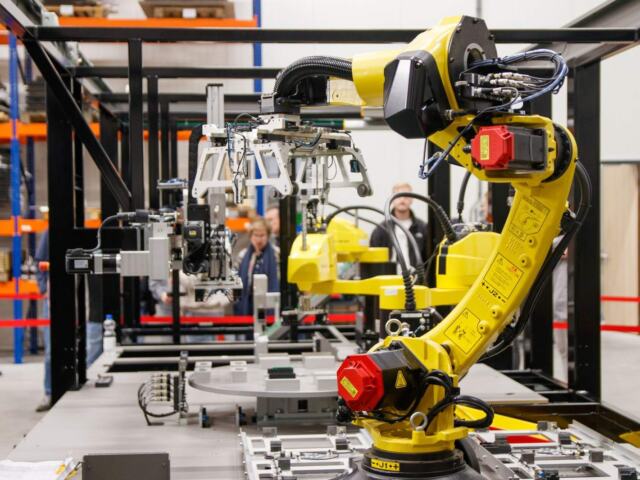
Automated lines also change the picture, since sensors, drives and controllers become new kinds of MRO items. For the background, see what is industrial automation.
Practical tips for reading an MRO catalogue or contract
- Confirm whether “MRO” means operations or overhaul in the document you are reading.
- Ask which of the four categories a supplier actually covers.
- Separate the product price from the cost of downtime when comparing options.
- Check whether the service is about supplying items, performing the work, or both.
This site is independent and educational. It does not sell MRO services or take enquiries.
Frequently asked questions
Is MRO the same as maintenance?
Show answer
Not quite. Maintenance is one part. MRO also covers the supplies, tools and inventory needed to carry the work out, and the day-to-day operation of the facility.
Do MRO items go into the finished product?
Show answer
No. They support production rather than becoming part of what you sell, which is the main difference from raw materials.
Does MRO ever mean maintenance, repair and overhaul?
Show answer
Yes. IBM notes that in some industries the letters stand for maintenance, repair and overhaul, so context matters.
What are the main types of MRO maintenance strategy?
Show answer
IBM names predictive, preventive and corrective strategies. Many sites combine all three.