Worried that purchases at your plant slip through without control? The industrial procurement process runs from requisition to purchase order, receipt, invoice match and payment, with a three-way match before payment.
This guide sits within our wider look at industrial business management.
| Item | Value |
|---|---|
| Procure-to-pay starts at | Requisition |
| Procure-to-pay ends at | Reconciliation |
| Documents compared in a three-way match | Purchase order, receiving report, vendor invoice |
| Who picks up at invoice arrival | Accounts payable |
| Common performance measures | Cost per invoice, cycle time, touchless rate, three-way match rate |
The definitions come from Corpay’s procure-to-pay guide and Procurify’s three-way matching guide. Both are vendor publications and practices vary by company, so check the source before you rely on them.
What the industrial procurement process covers
In a factory, plant or service operation, buying is more than placing an order. It is a chain of controlled steps that turns a need into a paid and reconciled invoice.
The chain is often called procure-to-pay. One vendor guide describes it as the full chain of acquiring goods and services and paying for them, from the requisition through to reconciliation.
The same guide lists the stages inside that chain: purchase order, goods receipt, invoice, three-way match, approval, payment and final reconciliation.
The steps, in order
Guides differ on how many steps they count, but the sequence is consistent. Here is a practical version for an industrial buyer:
- Requisition: a maintenance planner, production lead or engineer raises a request for a part, material or service.
- Approval: a budget holder or manager reviews the request against spending limits.
- Purchase order: procurement turns the approved request into an order with quantities, prices and terms, and sends it to the supplier.
- Delivery and receipt: the warehouse or operations team logs what actually arrived and in what condition.
- Invoice capture: accounts payable receives the supplier’s bill.
- Matching and approval: the invoice is checked against the order and the receipt.
- Payment and reconciliation: the invoice is paid within agreed terms and the records are closed out.
The split of responsibility is usually clear. According to Corpay, accounts payable picks up when the supplier’s invoice arrives, leaving requisitions, purchase orders and goods receipt untouched.
Requisition and approval: where control starts
Control starts before an order exists. A vague requisition leads to a vague purchase order, and then to disputes over what was actually wanted.
A good requisition names the item or service, the quantity, the needed date, the cost centre and the reason. For spare parts, add the equipment tag so the cost lands on the right asset.
Approval limits should match risk. Small, repeat consumables can follow a light route, while capital items, safety-critical parts and anything outside a contract need a higher sign-off.
- Set approval tiers by value and by category.
- Keep requesters and approvers as different people.
- Route urgent breakdown purchases through a defined emergency path rather than around the system.
That last point matters because unplanned stoppages drive rushed buying. Our guide on how to reduce downtime in manufacturing covers the upstream causes, and good spares planning reduces the number of emergency orders.
Purchase orders and supplier terms
The purchase order is the document everything else is checked against. In the words of one guide, it records what your organization agreed to buy, at what price.
Clear orders reduce later arguments. State the item description, unit price, delivery date, delivery location and payment terms, and refer to any framework agreement that applies.
Services need extra care. For recurring work such as inspections or repairs, the order should point to the agreed scope and service levels. If you buy that kind of work regularly, see how to write a maintenance service contract so the order and the contract agree with each other.
Receipt, invoice and the three-way match
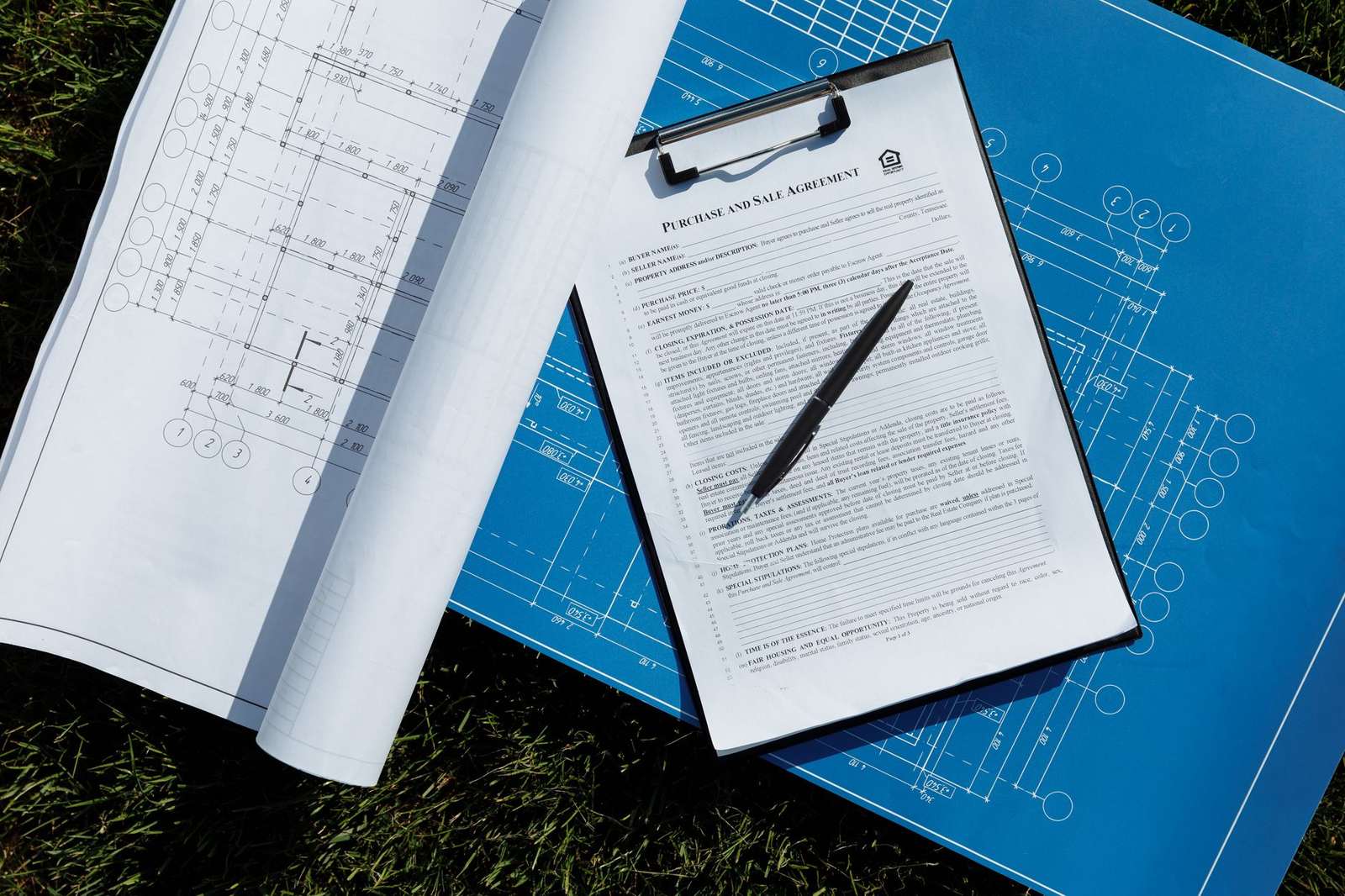
Before paying, many companies run a three-way match. According to Procurify, this is an accounts payable control that verifies a vendor invoice against the original purchase order and the receiving report, also called a goods receipt.
The three documents tell different stories:
- Purchase order: what you agreed to buy, and at what price.
- Receiving report: confirmation that the goods or services were actually received.
- Vendor invoice: what the supplier is billing you for.
If everything agrees within your defined tolerances, the invoice is approved for payment. If there is a price difference, a quantity mismatch or a missing receiving report, the invoice is flagged for review.
The receiving report is separate because timing varies. Invoices can arrive before, during or after delivery, so delivery cannot be assumed from the invoice alone.
Common problems and how to prevent them
Procurify notes that the hard part in practice is getting all three documents into the same place at the same time.
That happens when orders sit in one system, receipts are logged somewhere else and invoices arrive as email attachments.
- Late or missing receipts: make logging a delivery a defined task for the warehouse, done the same day.
- Order changes by phone: amend the purchase order, not just the conversation, so the paperwork still agrees.
- Partial shipments: receive what arrived and let the invoice match only that quantity.
- Price drift: keep contract prices in the system so differences are flagged automatically.
Set tolerances deliberately. A small allowed variance on low-value lines saves time, while high-value or safety-critical items warrant a strict match.
Measuring whether the process works
Corpay says high-performing functions track cost per invoice, cycle time, touchless rate, three-way match rate and spend under management. You do not need all of them on day one.
Start with cycle time from requisition to payment, and the share of invoices that match without manual work. Both show where requests stall and where data is poor.
Review exceptions monthly. Repeated mismatches from one supplier or one site usually point to a fixable cause such as unclear orders or slow receiving.
Practical tips for a small team
You do not need specialist software to improve control. A numbered purchase order log, a simple receiving sheet and a filed copy of each vendor invoice already give you the three documents a match needs.
Write down who may approve what, and review that list whenever people change roles. Keep supplier contacts, agreed prices and delivery terms in one place so buyers do not rely on memory.
- Number every requisition and purchase order so each can be traced.
- File delivery notes the day goods arrive.
- Check each invoice against the order before it goes to approval.
- Record the reason whenever an exception is allowed.
Frequently asked questions
What is the difference between procurement and procure-to-pay?
Show answer
Procure-to-pay is the full chain of acquiring goods and services and paying for them, from requisition to reconciliation, as described by Corpay.
What is a three-way match?
Show answer
It is a check that a vendor invoice agrees with the purchase order and the receiving report before it is approved for payment.
Who is responsible for each stage?
Show answer
Requesters, approvers and procurement handle the buying side. Accounts payable picks up when the supplier’s invoice arrives and handles matching, approval and payment.
What happens if the documents do not match?
Show answer
The invoice is flagged for review. A price difference, a quantity mismatch or a missing receiving report all trigger that check.