Wondering what is contract manufacturing? It means a company hires an outside factory to build its product, while keeping the design and the brand. You pay for production, not for a plant of your own.
| Item | Key fact |
|---|---|
| Contract manufacturer (CM) | An organization that handles sourcing, product assembly, order fulfillment, product distribution and aftermarket services |
| Usual client | An OEM (original equipment manufacturer) |
| Electronics variant | Also called an electronics contract manufacturer (ECM) or EMS provider |
| Original design manufacturer (ODM) | Makes products of its own design, sold under an OEM’s brand name |
| High-mix, low-volume | Products vary in application, lot size and production process |
These definitions come from the VentureOutsource EMS terms and definitions page. Terminology and practice change, so check the source before you rely on them.
This guide is one part of our wider coverage of industrial services. It explains the model in plain terms: who does what, how the work is organised, and where the risks sit.
What a contract manufacturer actually does
A contract manufacturer is, in one glossary’s words, “an organization that engages in sourcing, product assembly, order fulfillment, product distribution, and aftermarket services.” That is broader than simply running machines.
The buying company supplies a specification, drawings or a bill of materials. The manufacturer turns that into finished goods on its own lines, with its own staff and equipment.
Typical tasks you may see in a contract include:
- Buying and managing components and raw materials
- Assembling and testing the product
- Packing and fulfilling orders
- Shipping to distributors or customers
- Aftermarket services such as repair or returns handling
The same glossary notes that a contract manufacturer usually works on behalf of an OEM, although “some OEMs can also function as contract manufacturers.” The labels describe a role in a deal, not a fixed type of company.
OEM, ODM and EMS: sorting out the terms
The vocabulary causes most of the confusion. The terms below overlap, and different industries use them slightly differently.
- OEM: the company whose brand is on the product and which usually owns the design.
- CM: the firm that builds to the OEM’s design.
- ODM: a company that makes products of its own design, which are then sold under an OEM’s brand name.
- EMS: the term for electronics providers, who the glossary says are also referred to as electronics contract manufacturers.
The practical difference between a CM and an ODM is who owns the design. With an ODM, the glossary says the ODM typically decides what products to build, and the OEM simply purchases the items as finished goods inventory.
If you want control over the product, you will likely prefer a build-to-print arrangement. If you want speed and a lower design burden, an ODM route may suit you better, with less differentiation.
How the model works step by step
Every deal differs, but most follow a similar path from first enquiry to repeat orders.
- Define the product. The OEM prepares drawings, specifications, quality targets and expected volumes.
- Select a manufacturer. The OEM asks for quotes, reviews capabilities and often audits the plant.
- Prototype and introduce the product. The manufacturer builds samples and sets up tooling, test methods and documentation. Many providers list prototyping, tool and mold design and new product introduction among their services.
- Agree the contract. A supply agreement sets pricing, ordering, quality, ownership of tooling and who is liable for defects.
- Run production. Orders flow, parts arrive, products are built, tested and shipped.
- Fix problems and improve. Issues are logged and resolved through a corrective action process.
That last step has its own term. A corrective action request is, per the glossary, an action item where either the OEM or the contract manufacturer asks the responsible party to conduct a root cause analysis and help bring the issue to resolution.
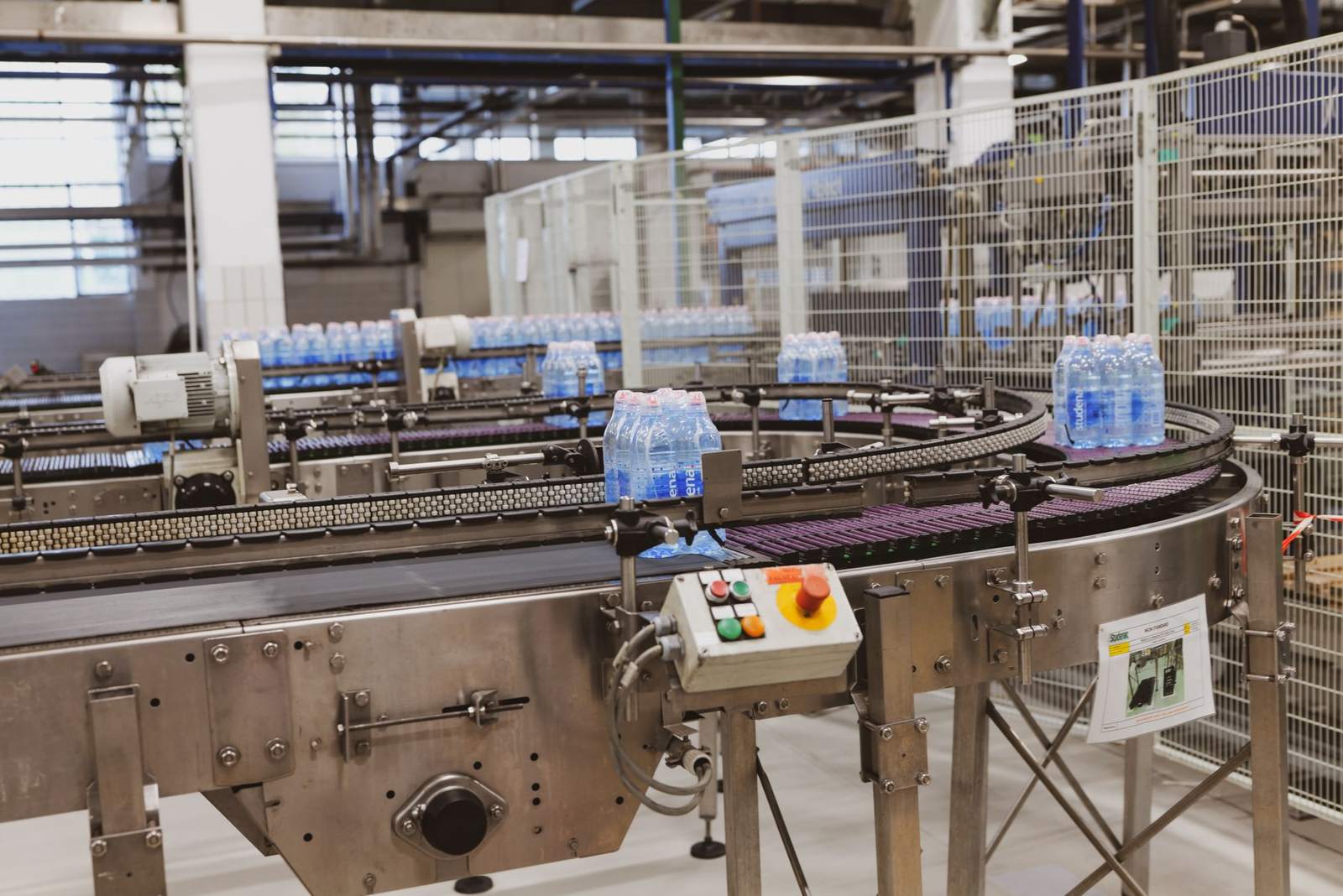
High-mix, low-volume versus long production runs
Not every contract manufacturer runs the same kind of work. Some specialise in a few products made in large quantities. Others focus on variety.
The glossary defines high-mix, low-volume as a contract manufacturing environment where products assembled vary in application, lot size and production processes. Such providers can change over product requirements and convert assembly lines “in a matter of hours, sometimes minutes.”
That flexibility has a cost. The same source warns that high-mix, low-volume manufacturing “creates numerous challenges because there are more areas to invite error.” For a buyer, this means asking how a plant controls changeovers, labelling and inspection.
Benefits and risks for the buyer
Most companies turn to contract manufacturing for access to capacity and skills they do not want to build themselves. The trade-offs are real, so weigh both sides.
Common benefits include:
- No need to fund a factory, equipment or a full production workforce
- Access to specialist processes and certified facilities
- The ability to scale volumes up or down with demand
- More management time for design, sales and customer service
Common risks include:
- Less direct control over day-to-day quality and scheduling
- Dependence on one supplier if you do not qualify a backup
- Intellectual property exposure if contracts are weak
- Hidden costs in logistics, rework and communication
Clear specifications, written quality requirements and regular audits are the usual defences. Treat the manufacturer as a partner whose performance you measure, not a black box.
Questions to ask before you sign
A good contract starts with good questions. Treat the answers as evidence about how the plant really runs, not as sales talk.
- Which products and processes has the plant built before, and are any similar to yours?
- How are incoming parts inspected, and how are suppliers approved?
- What happens when a defect is found: who investigates, and how quickly?
- Who owns the tooling, the test fixtures and the process documentation?
- How will changes to the design be requested, priced and approved?
- What is the plan if the plant cannot meet demand or stops production?
Visit the site if you can. Walk the line, look at how work is labelled and tracked, and ask to see records from a recent corrective action. A plant that handles these topics openly is usually easier to work with over the long term.
Also think about total cost, not just the unit price. Freight, inventory held on both sides, rework, travel for audits and the time your own engineers spend on support all add up.
Where it sits among other industrial services
Contract manufacturing is one way a business buys capability instead of building it. Plants of every kind also buy support work, such as industrial cleaning services for production areas and equipment.
Keeping machines running is another outsourced area. If you want to see how that differs, read about what are industrial maintenance services and how they support production.
This site is an independent educational resource. It does not sell manufacturing services, take enquiries or recommend particular providers.
Frequently asked questions
Is contract manufacturing the same as outsourcing?
Show answer
It is a form of outsourcing. The buyer hands production to another firm but normally keeps the design, the brand and the customer relationship.
Who owns the design in a contract manufacturing deal?
Show answer
Typically, the OEM is the firm that sells the product under its own brand and that tends to hold the design. Always confirm ownership of drawings, tooling and process know-how in the written agreement before production starts.
What does EMS mean?
Show answer
It refers to electronics manufacturing services. The glossary notes that EMS providers are also called electronics contract manufacturers.
What is high-mix, low-volume production?
Show answer
It is an environment where the products assembled vary in application, lot size and production processes. It suits buyers who need variety rather than one repeated item.